
Last updated:
Sint Eustatius scuba diving offers some of the Caribbean's best kept secrets. This small island in the Lesser Antilles attracts divers seeking pristine reefs and historic wreck dives. With a population of just 3,200, Sint Eustatius remains uncrowded and peaceful. The island sits at coordinates 17.4833, -62.9833 in the Kingdom of the Netherlands. Local dive operators know every reef and wreck intimately. You will experience world class diving with minimal tourist crowds here.
Sint Eustatius covers only 21 square kilometers but packs incredible underwater diversity. The island's volcanic history created dramatic underwater formations. Coral gardens thrive in the surrounding waters. Shipwrecks from centuries past sit on the ocean floor. Divers of all skill levels find suitable sites around the island.
Best Dive Sites in Sint Eustatius
The Citadel stands as Sint Eustatius's most famous dive site. Located off the island's southwestern coast, this submerged fortress sits at depths between 15 and 35 meters. Divers explore cannon barrels, anchors, and stone structures on the seafloor. The site marks the remains of Fort de Windt's underwater fortifications. Experienced divers rate this as a must dive location.
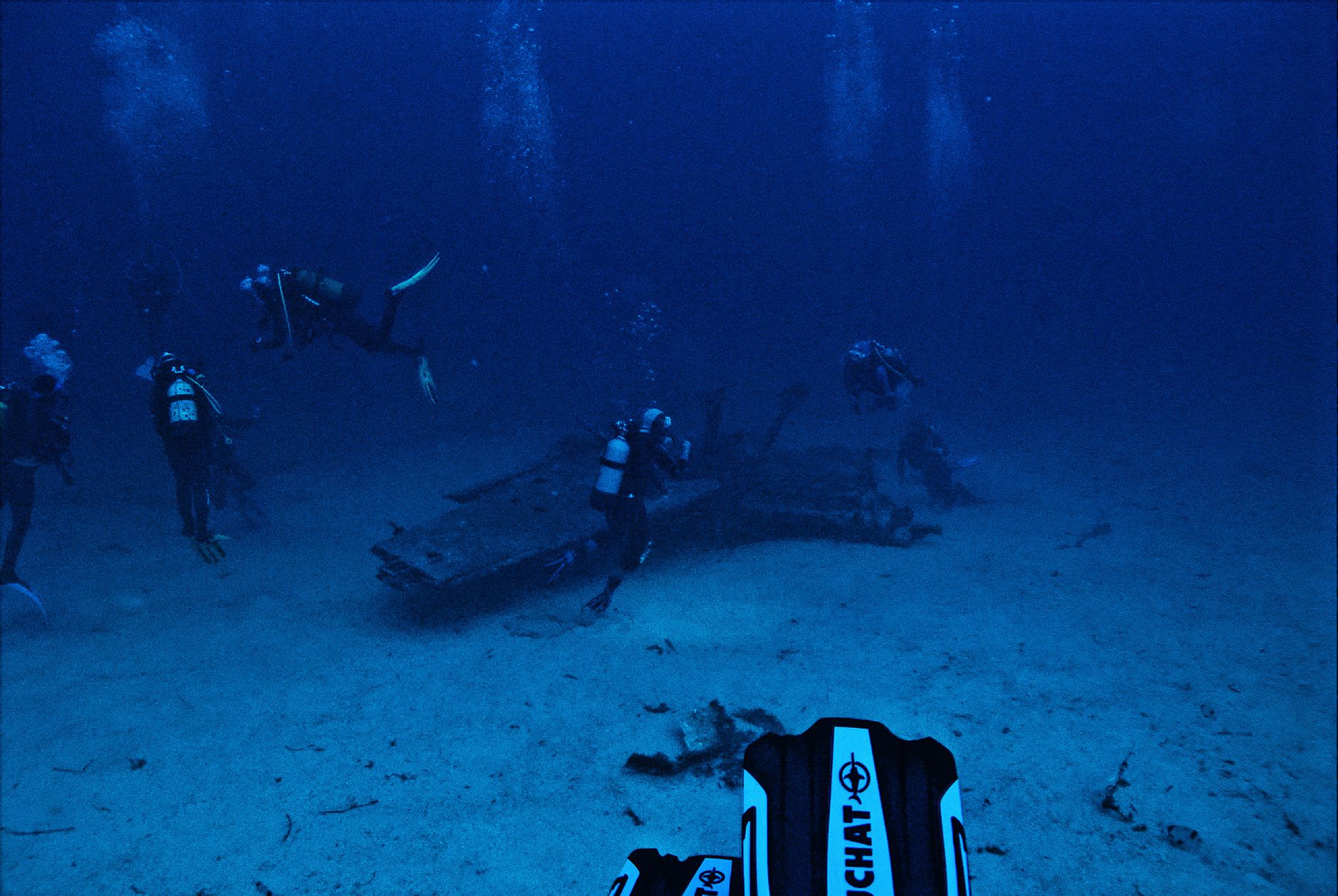
Double Wreck Site features two shipwrecks resting near each other. The first vessel sits at approximately 20 meters depth. The second wreck lies nearby at around 25 meters. Both ships have become artificial reefs supporting vibrant marine life. Large groupers and tarpon frequently patrol these wreck sites. The wrecks offer excellent photography opportunities for all divers.
Ladder Bay provides access to multiple dive sites within one location. This historic anchorage once served merchant ships from around the world. Today, divers find scattered artifacts and debris. The sandy bottom slopes gradually, making it suitable for different skill levels. You can explore depths from 12 to 30 meters here.
Jenkins Bay offers spectacular reef diving on Sint Eustatius's eastern side. The coral formations create natural underwater sculptures. Fish populations here remain abundant and unafraid of divers. Visibility typically reaches 20 meters or more at this site. The bay provides shelter from Atlantic swells.
Crooks Castle features a unique rocky formation rising from the seafloor. The "castle" structure sits at depths between 10 and 20 meters. Groupers and other large fish congregate around the rocks. Photographers love this site for its dramatic geology. Beginners can enjoy the shallower sections of this dive.
PRO TIP: Book your dives in advance with local operators. Sint Eustatius's small dive community means limited daily dive slots. High season (December to April) fills up quickly. Early booking ensures you get preferred dive times and sites.
Scuba Diving for Beginners in Sint Eustatius

Sint Eustatius welcomes beginner divers with excellent training opportunities. Several dive shops offer Open Water certification courses. These courses take 3 to 4 days and include classroom work, confined water training, and open water dives. Instructors teach you fundamental diving skills in safe environments. Sint Eustatius's calm waters provide ideal learning conditions.
Shallow reef sites suit beginners perfectly. Jenkins Bay's outer reef begins at just 10 meters depth. The gradual slope allows you to descend slowly and stay comfortable. Abundant coral and fish keep the experience engaging. You will build confidence quickly at these locations.
Zeelandia Beach area offers calm, shallow water perfect for first dives. The beach itself provides easy entry and exit points. Visibility remains good throughout the year. You can complete your certification dives at nearby shallow sites. The protected bay experiences minimal currents and wave action.
Beginners should expect to pay for certification courses. Open Water courses typically range from 3 to 4 days of instruction. The cost covers all materials, classroom time, and confined water training. You must be at least 10 years old and a reasonably comfortable swimmer. Sint Eustatius dive schools maintain excellent safety records with beginner students.
What to bring as a beginner diver: Bring your passport and proof of citizenship for dive shop registration. Pack sunscreen and an underwater camera if you wish. Wear reef safe sunscreen that won't damage coral. Bring a towel, change of clothes, and waterproof bag for valuables. Most dive shops provide all necessary equipment including wetsuits.
Snorkeling in Sint Eustatius
Sint Eustatius offers excellent snorkeling opportunities for non-divers. You need no certification or special training to snorkel. Simply bring a mask, fins, and snorkel tube. Many resorts and dive shops rent snorkeling equipment. Local beaches provide easy water access for snorkeling exploration.
Zeelandia Beach provides the island's best snorkeling access. This protected bay features calm, clear water year round. Small coral formations sit in shallow water close to shore. Tropical fish swim around the reef structures. You can snorkel directly from the sandy beach without a boat.
Oranjestad Bay offers historical snorkeling experiences. The bay contains remnants of the island's maritime past. Anchors, chains, and pottery fragments scatter the seafloor. You will see abundant marine life around these historical artifacts. Local snorkeling tours depart daily from Oranjestad town.
Lynch Beach features shallow reef snorkeling suitable for families. Children enjoy exploring the colorful shallow reef gardens. Parents can supervise from nearby shallow water. The beach remains protected from strong currents and swells. Parking and basic facilities sit near the beach access point.
Snorkeling tours typically last 2 to 3 hours. Local operators provide transportation, equipment, and guided experiences. Tours usually cost between $40 and $60 per person. Tours visit multiple snorkeling sites in one outing. Many tours include lunch and refreshments.
PRO TIP: Snorkel early in the morning before wind picks up. Morning conditions offer the best visibility and calmest water. Afternoon winds often create chop and reduce visibility. Early tours also mean smaller crowds at popular snorkeling sites.
Dive Schools and Operators
Dive Sint Eustatius operates as the island's primary dive operator. The facility sits in Oranjestad, the main town. They offer daily dive trips, certification courses, and equipment rental. Their instructors hold international certifications from PADI and SSI. The shop maintains a fleet of well maintained dive boats.
Dive Sint Eustatius provides shore dives and boat dives daily. Morning boat dives depart at 9:00 AM. Afternoon dives depart at 2:00 PM. Shore dives begin at 10:00 AM and 3:00 PM. The facility offers single dives or multi day packages. Equipment rental includes tanks, BCDs, regulators, and wetsuits.
Golden Era Hotel operates a dive operation for their guests. The waterfront location provides convenient diving access. They arrange boat dives to popular sites daily. Resort guests receive priority booking for dive slots. Non guests can book dives through the hotel but may face longer wait times.
Most dive operators on Sint Eustatius are small, personalized businesses. Staff members know every dive site intimately. Your dive guide will likely have 10 plus years of local experience. Small group sizes mean personalized attention and instruction. You will rarely encounter large commercial dive operations here.
Before booking, confirm that operators maintain current insurance and certifications. Ask about their safety practices and equipment maintenance schedules. Request their accident history and incident reports. Professional operators gladly provide this information. Sint Eustatius dive operators prioritize safety and professionalism.
What You Will See Underwater
Coral species thrive throughout Sint Eustatius waters. Brain coral colonies grow massive and ancient. Elkhorn coral branches stretch from the seafloor. Soft corals wave gently in the current. Table corals provide shelter for countless small fish. The diversity of coral types rivals other Caribbean destinations.
Fish species populate every depth level around Sint Eustatius. Groupers weighing 50 pounds or more patrol wreck sites. Snappers school in massive formations around reefs. Parrotfish crunch coral all day long. Trumpetfish hide among coral branches waiting for meals. Eagle rays glide gracefully along the sandy bottom.
Wreck artifacts cover the seafloor in strategic locations. Cannons point skyward from sunken ships. Ship anchors measuring 6 meters long rest on the bottom. Pottery and glass bottles litter some sites. Coins and jewelry occasionally appear in the sand. These artifacts tell stories of centuries past maritime trade.
Pelagic marine life occasionally visits Sint Eustatius reefs. Sea turtles browse seagrass beds near shore. Nurse sharks rest in deep sand channels. Spotted eagle rays hunt along the bottom. Barracuda cruise the outer reef edges. Large tarpon surprise divers in unexpected locations.
Macro marine life rewards careful observation by divers. Seahorses cling to seagrass stems. Octopuses change color and texture instantly. Nudibranchs display brilliant colors and patterns. Shrimp and crabs scurry across the seafloor. Microscopic plankton creates night diving light shows.
Best Time To Dive in Sint Eustatius

December through May represents the best diving season. The island experiences calm weather and consistent conditions. Wind speeds remain moderate and predictable. Water visibility reaches 25 to 30 meters regularly. Sea temperatures stay warm at 27.1°C average. This period coincides with the island's dry season.
December marks the season's beginning with excellent conditions. New Year's holiday weeks see increased visitor traffic. January offers perfect weather and comfortable water temperatures. February brings slightly calmer conditions as winds diminish. March to May remain excellent though occasional showers occur.
June through November represents the Atlantic hurricane season. Rain falls more frequently during these months. Cloud cover increases reducing visibility. Water conditions become unpredictable and changeable. Several dive sites may close due to rough waters. Some dive operators reduce their schedules during this period.
Despite hurricane season challenges, some divers visit during summer months. Prices drop significantly from peak season rates. Hotel availability increases and booking becomes easier. Dive operators still run trips on calm days. If weather tolerates, you will have sites mostly to yourself.
Booking recommendations: Reserve accommodation and dives 2 to 3 months ahead during peak season. Book flights early for December and January travel. Hurricane season visitors should maintain flexible schedules. Be prepared to shift dive dates based on weather. Pack travel insurance covering trip cancellation and weather delays.
PRO TIP: Check wind forecasts before your dive trip. Sint Eustatius sits in the northeastern Caribbean where trade winds blow consistently. North and northeast winds create rough ocean conditions. Southern exposures like Jenkins Bay stay calm in northerly winds. Plan your site choices around the daily wind direction.
Frequently Asked Questions
Do I Need Diving Certification To Dive in Sint Eustatius?
Yes, you must hold a valid PADI Open Water certification or equivalent. Sint Eustatius dive operators will not take uncertified divers below 12 meters depth. However, you can obtain certification on the island in 3 to 4 days. Beginners complete classroom work, pool training, and open water dives. The certification becomes valid worldwide and lasts a lifetime. If you hold an expired card, refresh courses take just one day. Several operators on the island offer all certification levels from basic to advanced.
What Is the Water Temperature in Sint Eustatius?
Water temperature averages 27.1°C (80.8°F) year round. Peak temperature occurs in September and October around 28°C. Winter months from December to March dip slightly to 26°C. These temperatures remain comfortable for most divers. Beginners should wear a 3mm wetsuit for extended dives. Experienced divers often skip wetsuits or wear thin skins. The water feels warm and tropical throughout the year. Most dive shops provide wetsuits in various thicknesses for rent.
How Do I Get To Sint Eustatius?
F. D. Roosevelt Airport (EUX) serves the island with flights from larger hubs. Connections come through St. Maarten or St. Lucia primarily. Flight times from these hubs range from 30 to 45 minutes. Several daily flights connect Sint Eustatius to nearby islands. Ferry service operates between Sint Eustatius and Saba. The journey takes approximately 30 minutes by ferry. Most international visitors fly rather than take the ferry. Air travel takes less time but ferry offers scenic ocean views.
Are There Sharks in Sint Eustatius Waters?
Yes, sharks live in Sint Eustatius waters but attacks are extremely rare. Nurse sharks rest on the seafloor during day hours. Reef sharks patrol deeper sections of the reefs. Sharks typically avoid humans and swim away when approached. Thousands of divers visit annually without shark incidents. Sharks fear divers more than divers fear sharks. Do not chase or corner sharks. Avoid touching or chasing any marine animal. Follow your guide's safety instructions and maintain calm behavior underwater.
Can I Dive If I Am Not a Strong Swimmer?
Being a strong swimmer helps but is not absolutely required. Sint Eustatius offers shallow, protected diving areas perfect for nervous swimmers. Instructors train non swimmers before open water certification dives. The buoyancy compensation device (BCD) provides flotation in water. Proper weighting and equipment adjustments help less confident swimmers. Inform your instructor about swimming concerns before diving. Shallow reef sites around Zeelandia Beach suit anxious divers perfectly. Many non swimmers successfully complete certification and enjoy diving regularly. Your instructor will go at your pace during training dives.