Last updated:
Sint Eustatius is a small island in the Lesser Antilles with just 3,200 residents. The island measures only 21 square kilometers, making Sint Eustatius parking transport straightforward for visitors. Most travelers complete trips around the entire island in minutes. You can reach any major destination within 15 minutes by car. Understanding your transport options helps you explore efficiently and affordably.
This guide covers every way to move around Sint Eustatius. You will learn about car rentals, taxi services, and alternative transport methods. We include practical information for budget travelers and families. By the end, you will know exactly how to navigate this beautiful Dutch Caribbean island.
Car Rental in Sint Eustatius
Renting a car on Sint Eustatius gives you complete freedom to explore. The island has limited public transport, making car rental the most practical choice. Several rental companies operate at F. D. Roosevelt Airport. You can also arrange rentals through your hotel before arrival.
Most rental companies require you to be at least 21 years old. You must have a valid driver's license from your home country. An international driving permit is helpful but not always required. Insurance options range from basic to comprehensive coverage.
The main roads are well maintained and easy to navigate. Route 1 circles the island's perimeter and connects all major towns. Route 2 cuts through the center. Road signs are clear and written in both Dutch and English. Most roads have few traffic lights, making driving simple even for first time visitors.
Rental cars are typically compact sedans or small SUVs. Prices vary by season and vehicle type. Book in advance during peak months (December to May) to ensure availability. Local rental companies often provide better rates than international chains.
When renting, check the vehicle for existing damage. Take photos of any scratches or dents. Request an updated insurance card before driving off. Return the car with a full fuel tank to avoid extra charges.
PRO TIP: Book your rental car online before arriving at the airport. This saves time and often costs less than renting on the spot. Compare prices from multiple companies to find the best deal for your travel dates.
Taxis in Sint Eustatius
Taxis provide reliable transport across Sint Eustatius without the responsibility of driving. White taxis operate throughout the island and are easy to spot. Flag down a taxi on the street or call ahead for pickup. Most accommodations can call a taxi for you.
Taxi drivers know the island well and serve as informal tour guides. They speak English and are friendly with visitors. Fares are fixed between major locations, but you should confirm the price before entering. Prices are reasonable for short trips around town.
The main taxi rank sits in Oranjestad, the island's capital and largest town. Taxis depart when full, typically with 3 to 4 passengers. This system keeps costs low for individual travelers. You wait with other passengers heading in similar directions.
For private taxis, you pay a set rate regardless of passengers. This costs more but provides immediate departure and direct routes. Private taxis work well for families or groups wanting convenience. Arrange private taxis through your hotel or by calling directly.
Taxis run throughout the day and early evening. Service becomes limited after 8 PM. Plan evening activities accordingly or arrange taxi pickup in advance. Drivers rarely have change for large bills, so carry small denominations.
PRO TIP: Ask your hotel staff for taxi company contact numbers. They know reliable drivers and can negotiate fair prices on your behalf. Building a relationship with one driver ensures consistent service throughout your stay.
Public Transport Options
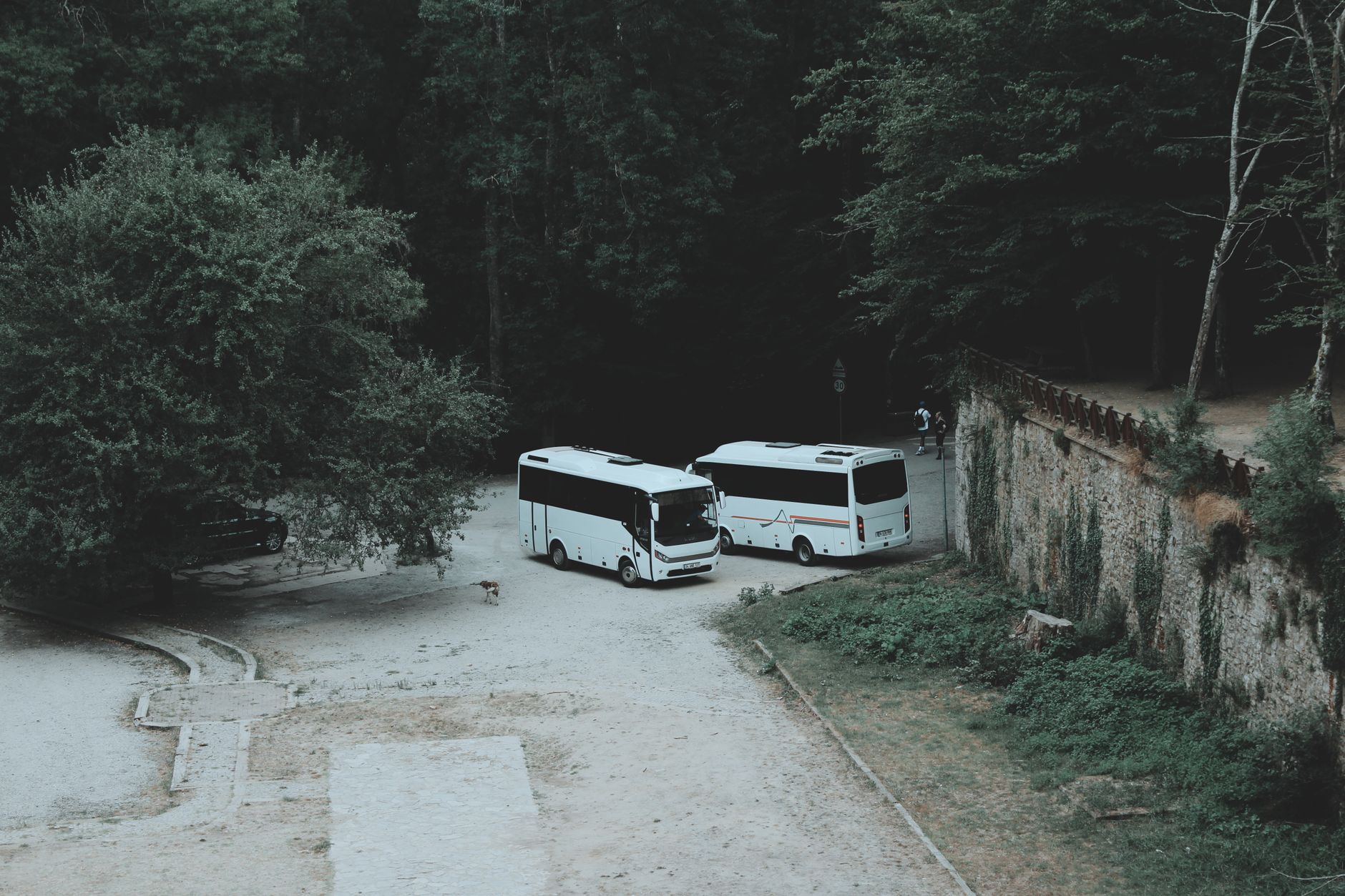
Sint Eustatius operates a minibus system connecting towns and villages. These shared vans serve as public transport throughout the island. Routes link Oranjestad with outlying areas like Concordia and Tumble Down Dick Bay.
Minibuses depart from the main terminal in Oranjestad when full. Fares cost just a few dollars per ride. This is the cheapest transport option on the island. Minibuses run during daylight hours, typically 6 AM to 6 PM.
Service is frequent on main routes but less regular for peripheral areas. Popular routes between Oranjestad and Jenkins Bay run multiple times daily. Remote locations may have only one or two departures. Ask locals about current schedules before relying on minibuses.
Minibus travel is an authentic island experience. You meet local residents and learn about daily life. Drivers are friendly and patient with tourists. The ride is slower than taxis but gives you more time to observe the landscape.
Minibuses do not have fixed schedules published online. Arrive early at the terminal and ask about available routes. Drivers will tell you when the next bus departs. This flexibility works for casual travelers but requires patience.
Getting Around Sint Eustatius on a Budget

Sint Eustatius is an affordable destination with economical transport options. The minibus system costs next to nothing compared to taxis or car rentals. Combine minibuses with walking to minimize daily transport costs.
Oranjestad is compact enough to explore on foot. Most shops, food-restaurants, and waterfront attractions are within 20 minutes of walking. Wear comfortable shoes and bring water for hot days. Morning or late afternoon walks are most pleasant temperature wise.
Walking between towns requires planning but saves money. The distance from Oranjestad to Concordia is only about 8 kilometers. You can walk to nearby beaches. Pick less busy roads for safer walking conditions.
Share rides with other travelers when possible. Many hostels and guesthouses arrange group transportation for activities. Ask staff about shared snorkeling trips or island tours. Split costs with others heading the same direction.
Combine transport methods to save money. Use minibuses for longer distances and walk for short trips. Rent a car for one day to visit remote beaches, then use taxis and walking other days. This hybrid approach balances budget and convenience.
Driving in Sint Eustatius: What To Know
Driving on Sint Eustatius follows standard Caribbean rules. Traffic stays on the right side of the road. Speed limits are clearly marked in kilometers per hour. Most main roads allow 40 to 60 km/h in populated areas.
Roads vary in quality from excellent to potholed. Main routes like the coastal road are well paved. Secondary roads in rural areas may have potholes or uneven surfaces. Drive slowly on unfamiliar roads to avoid damage. SUVs handle rough areas better than sedans.
Oranjestad experiences the heaviest traffic, especially midday. Parking on main streets is straightforward. Look for available spots along the roads. Sint Eustatius parking transport infrastructure includes small lots near the harbor and shopping areas.
Fuel stations are limited to two or three locations. The main station operates near Oranjestad. Fuel prices are higher than mainland prices. Check your tank regularly to avoid running empty. Many remote areas lack services, so plan routes carefully.
Rental companies provide maps and directions. Download offline maps before arriving if your phone lacks reliable service. Road signs point to major towns and attractions. GPS works well on the island, though some rural areas have spotty coverage.
Street lighting is minimal outside Oranjestad. Avoid driving at night if unfamiliar with roads. Many locals drive without headlights at dusk, creating hazard situations. Stay alert and drive defensively. The island's quiet roads tempt speeding, but local police enforce speed limits.
Parking Guidelines
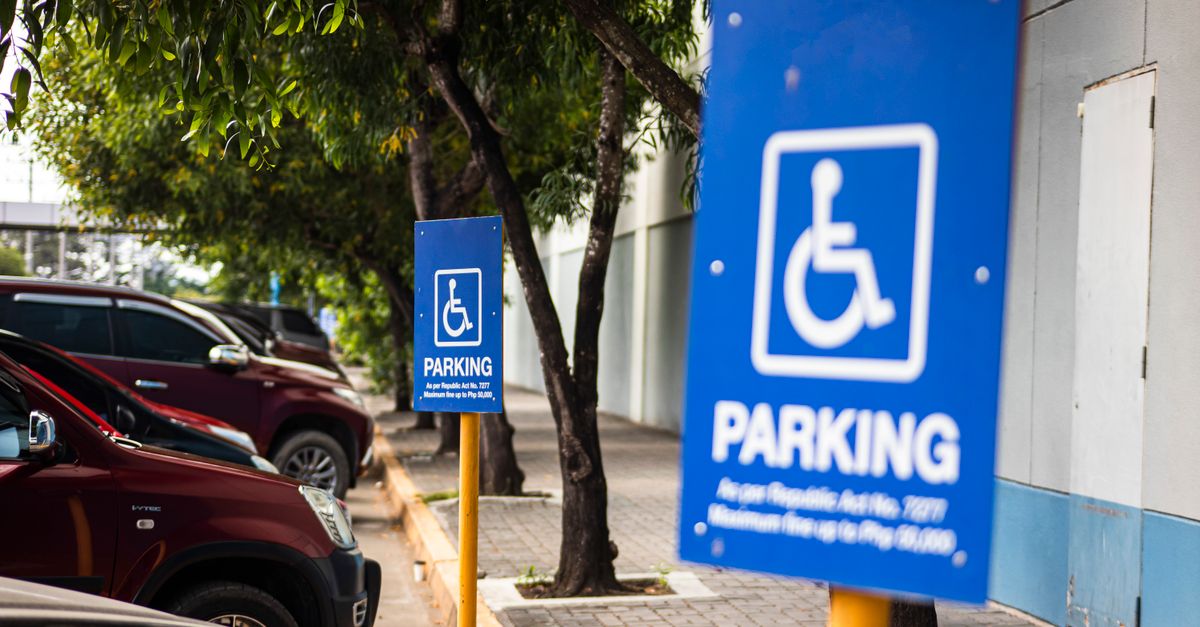
Parking is rarely a problem on Sint Eustatius given its small size. Street parking is free in Oranjestad and most towns. Never block driveways or fire hydrants. Remove valuables from your car when parked unattended.
The harbor area in Oranjestad has a small dedicated parking lot. This lot fills during busy hours on cruise ship days. Arrive early or park on nearby streets. Hotels often provide parking for guests or direct you to nearby spaces.
Remote beach areas typically offer roadside parking with no formal facilities. Park in shaded areas when possible to keep your rental cool. Lock your doors even in this quiet location. Thieves sometimes target unattended rental vehicles.
Driving Safety Tips
Roads generally receive good maintenance, but always stay alert. Watch for pedestrians and animals wandering the roads. Goats and chickens appear suddenly on rural routes. Slow down in villages where children play nearby.
Rainy season brings occasional washouts and flooding. Stay informed about weather conditions during June through November. Road conditions can change quickly. Local radio stations provide weather updates in English and Dutch.
Drive with headlights on at all times. This is recommended practice throughout the Caribbean. Keep your license and rental documentation accessible. Police may conduct routine checks, though tourists are rarely stopped.
Scooter and Bike Rental

Scooters and motorcycles provide fun alternatives to cars. Several rental shops offer two wheelers in Oranjestad. These vehicles are fuel efficient and maneuverable on winding roads. Rentals cost less than cars and suit short term visitors.
You must have a valid motorcycle license to rent. Some companies accept international licenses, while others require specific permits. Ask at your hotel or check with rental shops about requirements before booking.
Scooters handle the island's roads well. Traffic is light, making riding relaxing. Helmet use is not legally required but highly recommended. Wear protective gear including shoes and long pants. Sun exposure at sea level is intense, so cover your skin.
Bicycles offer another budget friendly option. The island's small size makes cycling practical. Flat coastal areas are easier to bike than interior mountains. Rent bikes for exploring Oranjestad or nearby villages. Gravel roads and potholes make mountain biking possible for experienced riders.
Bring plenty of water when cycling. The sun is strong even on cloudy days. Sunscreen and a hat are essential. Ride defensively and assume drivers cannot see you. Many roads lack dedicated bike lanes.
PRO TIP: Rent a scooter for scenic coastal drives around the island. The journey takes just an hour to circle the entire perimeter. Stop frequently at overlooks and small beaches. This transport method lets you feel the Caribbean breeze while maintaining independence.
Frequently Asked Questions
What Is the Best Way To Get From F. D. Roosevelt Airport To My Hotel?
F. D. Roosevelt Airport is small with limited transport options. Car rentals operate at the airport, making them convenient for immediate pickup. Taxis are available outside the terminal and cost a moderate amount for the short journey to most hotels. Arrange pickup with your hotel before arrival if you prefer not to drive immediately. The airport is only minutes from Oranjestad, so costs remain low regardless of method chosen.
Do I Need an International Driving Permit To Rent a Car?
An international driving permit is helpful but not always required. Your valid home country driver's license is the primary requirement. Rental companies typically accept licenses from most countries. An international permit provides additional documentation and translation. Obtain one from your local auto association before traveling if you want complete documentation. Having both documents ensures no rental company denies your request.
Are There Any Tolls or Road Fees on Sint Eustatius?
Sint Eustatius has no tolls or road fees. All public roads are free to use. There are no bridges or tunnels requiring payment. Your only transportation costs are fuel and rental or taxi fees. This makes budgeting straightforward and simplifies driving throughout the island considerably.
What Should I Do If I Get a Flat Tire While Driving a Rental Car?
Contact your rental company immediately for assistance. Most companies provide roadside support or replacement vehicles. The rental contract specifies tire damage coverage and procedures. Keep the company's emergency number in your phone. Many roads have cellular service, though remote areas may have weak signals. Stay with your vehicle and wait for help rather than attempting repairs yourself.
Is It Safe To Walk Around Oranjestad at Night?
Oranjestad is generally safe, but exercise normal caution at night. Stay in well lit areas and avoid isolated streets. Walk with others when possible. Most locals are friendly and helpful. Petty theft occurs occasionally, so keep valuables hidden. Stick to main commercial streets near the waterfront and harbor area where foot traffic remains steady throughout evening hours.