allisles.com
Sint Eustatius
allisles.com
Sint Eustatius
Sint Eustatius: Complete Caribbean Travel Guide
Visa Free
Last updated:
Quick Facts
- Visa Required: No (visa free for most nationalities)
- Currency: US Dollar (USD)
- Language: Dutch, English
- Best Months: December through May
- Average Temperature: 27.1°C (81°F)
- Location: Lesser Antilles, Kingdom of the Netherlands
- Population: 3,200
- Area: 21 km²
- Airport: F. D. Roosevelt Airport (EUX)
- Scuba Diving: Yes
About Sint Eustatius
Sint Eustatius is a small island in the Lesser Antilles with a remarkable past. This Dutch Caribbean territory sits just 21 square kilometers in size. Only 3,200 people call this island home. The Sint Eustatius overview reveals a place frozen between history and nature.
The island has tremendous historical significance. In the 1700s, Sint Eustatius was one of the Caribbean's busiest ports. Merchants from around the world traded goods here. Today, you can explore ruins that tell these stories. The Quill volcano rises dramatically from the island's center. Its crater contains a lush tropical forest. Oranjestad, the capital, sits on the western coast.
Dutch and English are both spoken here. Most people understand English well. The island uses US dollars for currency. Visitors often find the locals welcoming and helpful. Sint Eustatius feels genuinely authentic. You won't find large resort chains or crowded beaches here. The island preserves its character and natural beauty.
PRO TIP: Bring cash. While some places accept cards, many small shops and food-<a href="<a">restaurants</a> are cash only. ATMs exist but can have limited hours.
Why Visit Sint Eustatius

Best foradventure seekershistory buffsscuba diversnature lovers
Sint Eustatius offers experiences you won't find on crowded Caribbean islands. The island delivers authentic culture and undeveloped natural landscapes. Scuba diving attracts visitors from around the world. The surrounding waters contain healthy coral reefs and shipwrecks. Divers report excellent visibility and abundant marine life.
History enthusiasts discover centuries-old ruins and colonial architecture. Oranjestad contains several historical sites within walking distance. Fort Oranje overlooks the harbor with stunning ocean views. The Honen Dalim Jewish cemetery dates back to the 1700s. These landmarks offer insights into the island's complex past.
Hikers find excellent trails through varied landscapes. The Quill crater trek takes about three hours round trip. The forest inside the crater is dense and green. Visitors spot rare bird species and native plants. Panorama Point offers views across the entire island. Hiking boots with good grip are essential here. The volcanic trails can be muddy and steep.
Nature photographers love the dramatic scenery. Sunrise photos from high points are spectacular. The golden hour light creates stunning images across the landscape. Beaches offer quieter moments away from cruise ship crowds.
PRO TIP: Visit between December and May for the best weather. Hurricane season runs June through November. These winter months offer calm seas ideal for diving and boating activities.
Sint Eustatius for Families
Best forfamilies with children age 8 and upmulti-generational groups
Sint Eustatius welcomes families looking for safe, educational travel. The island is small and easy to navigate. Children can play on quiet beaches without dangerous currents. The local population is friendly toward visitors with kids. English speakers are common, making communication simple.
Beach days work well for families. Zeelandia Beach on the eastern coast is calm and sandy. The water here is shallow and warm. Families can spend full days swimming without worrying about riptides. Pack plenty of water and snacks. Shade is limited on most beaches, so bring umbrellas or tents.
The Quill volcano hike is manageable for older children. Kids aged ten and up can handle the trail difficulty. The journey takes about three hours total. Pack water, snacks, and wear proper footwear. The forest reward at the crater top fascinates young nature lovers. Bring a bird identification guide for educational fun.
Historical sites teach children about Caribbean history. Fort Oranje is a short walk from town. Kids enjoy climbing the fortification walls and exploring the structures. The views from above the harbor captivate visitors of all ages. Many sites have no entrance fees, making family visits budget friendly.
Restaurants accommodate families well. Most establishments welcome children during regular dining hours. Local food is simple and familiar. Rice, chicken, and fresh fish appear on many menus. Dutch pancakes (pannenkoeken) are sweet treats kids enjoy.
Sint Eustatius for Couples
Best forhoneymoonersromantic getawaysadventure couples
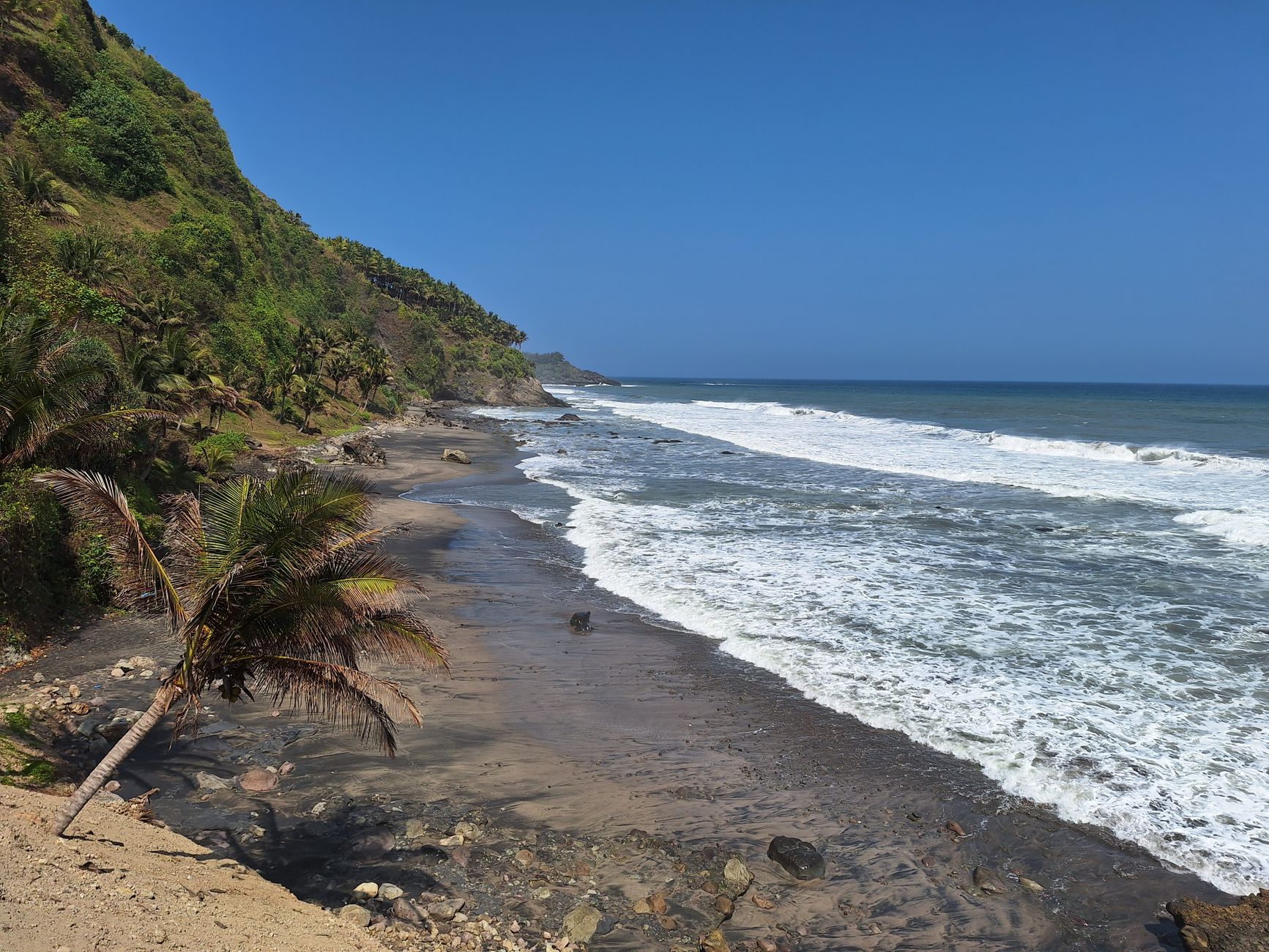
Sint Eustatius provides romantic getaways without crowds or pretense. The island's quiet nature creates intimate experiences. Couples enjoy private moments on empty beaches. Sunset watching from high points is reliably beautiful here. The lack of light pollution means stars shine brilliantly at night.
Diving together creates unforgettable couple bonding. Both partners can explore coral gardens side by side. Wreck dives offer adventure and shared excitement. Many dive shops can arrange private or small group dives. The island's calm waters are suitable for various skill levels.
Hiking the Quill crater together is a romantic adventure. The trail requires teamwork and mutual support. Reaching the crater creates a shared accomplishment. The forest canopy provides cool shade during the climb. The crater floor is peaceful and isolated. Couples enjoy lunch surrounded by towering trees and birdsong.
Dining experiences feel personal and genuine. Small restaurants create intimate atmospheres. Owners often sit and chat with guests. Fresh seafood and local dishes showcase island flavors. The pace of service is unhurried and relaxed. No chain restaurants exist here to disrupt the authentic feeling.
Quiet beach time allows real conversation. Beaches remain mostly empty even during peak season. Couples can walk for miles without encountering crowds. Swimming together in warm, clear water is deeply romantic. The isolation appeals to couples seeking genuine connection.
PRO TIP: Book accommodation near Oranjestad for easy restaurant and diving access. The capital offers the island's main services and social life while maintaining small-town charm.
Sint Eustatius for Solo Travelers
Best forindependent travelersbudget conscious visitorsadventure seekers
Solo travelers find Sint Eustatius safe and welcoming. The small population means everyone looks out for visitors. Crime is minimal, and locals are genuinely helpful. You can explore freely without safety concerns. The island's compact size makes navigation easy without guides.
Diving is accessible for solo travelers. Multiple dive shops operate here regularly. Group dives are standard practice, so you'll meet other divers. Instructors create small groups for training dives. This is excellent for making friends with similar interests. Divers from around the world visit year round.
Hiking trails are safe to explore alone. The Quill trek has clear markings. Other shorter trails connect various viewpoints. Solo walkers often encounter friendly locals on trails. The island's small size means help is never far away. Bring a map and sturdy footwear.
Guesthouses and small hotels offer social atmospheres. Owners often provide meal recommendations and advice. You'll meet other travelers at breakfast. These informal settings create natural friendship opportunities. Many accommodations are budget friendly for solo travelers.
Budget eating is possible here. Street food and local eateries cost less than tourist restaurants. Fresh produce at the market is affordable. Cooking your own meals saves money if accommodation has a kitchen. Self catering works well for budget conscious travelers.
Best Time To Visit Sint Eustatius

Best forall travelersweather conscious planners
The best months to visit are December through May. During these months, weather is warm and dry. Rain falls less frequently than other seasons. Humidity levels are comfortable. Seas are calmer, making diving and boating easier. Trade winds keep temperatures from feeling oppressive.
December and January are peak season. Winter visitors from the north escape cold weather. Accommodation fills quickly during these months. However, Sint Eustatius rarely feels overcrowded. Even peak season feels peaceful compared to other Caribbean islands. Advance booking ensures better availability.
February through May offers excellent weather too. Fewer tourists visit during these shoulder months. Prices may be slightly lower. Seas remain calm for water activities. Rainfall increases gradually as May approaches. By late May, brief afternoon showers are more common.
June through November is hurricane season. Weather becomes less predictable during this period. Heavy rain showers occur more frequently. The sea can be rough for diving and boating. However, prices drop significantly during these months. Insurance considerations matter for hurricane season visits. Many travelers accept these risks for budget savings.
April and May offer a sweet spot. The weather remains excellent. Tourist crowds decrease noticeably after April. Prices drop compared to peak season. The island feels less crowded but still fully operational. Diving conditions remain good through May.
PRO TIP: Pack light layers for your visit. Temperatures average 27.1°C year round. Morning breezes can feel cool. Afternoons are warm and bright. Occasional rainfall means bringing a lightweight rain jacket is smart.
Getting To Sint Eustatius
Best forall travelerstravel planners
F. D. Roosevelt Airport (EUX) is the main gateway. The airport has limited international flights. Most visitors connect through larger Caribbean hubs. Saint Kitts and Nevis has frequent connections. San Juan, Puerto Rico has many flight options. Curaçao also serves as a connection point.
Winair (Windward Islands Airways) operates regional flights. They connect Sint Eustatius to neighboring islands regularly. These short flights take 30 minutes to one hour. Schedules are reliable during peak season. Off season flights may be less frequent. Book in advance, especially during busy travel periods.
Ferry service is limited and unreliable. Some seasonal ferry operations exist between islands. These services are not primary transportation options. Flying is the most practical arrival method. The short flight times make connections manageable.
The airport is small and straightforward. Immigration and customs processing is quick. No baggage carousels exist here. Luggage appears at a simple collection area. Taxis wait outside for arriving passengers. Fare agreements happen before entering the vehicle.
Once on the island, walking covers many areas. Oranjestad is compact enough to explore on foot. Rental cars provide flexibility for exploring. Several rental agencies operate from the airport. Daily rates are reasonable for budget travelers. Gasoline prices are higher than mainland USA. Roads are good quality throughout the island.
Taxis are available but limited. Pre arrange rides when possible. Drivers know the island well and offer local knowledge. Hotel staff can arrange transportation easily. Water taxis connect to nearby islands occasionally. These are more for adventure than reliable transport.
Sint Eustatius Overview: Getting Around
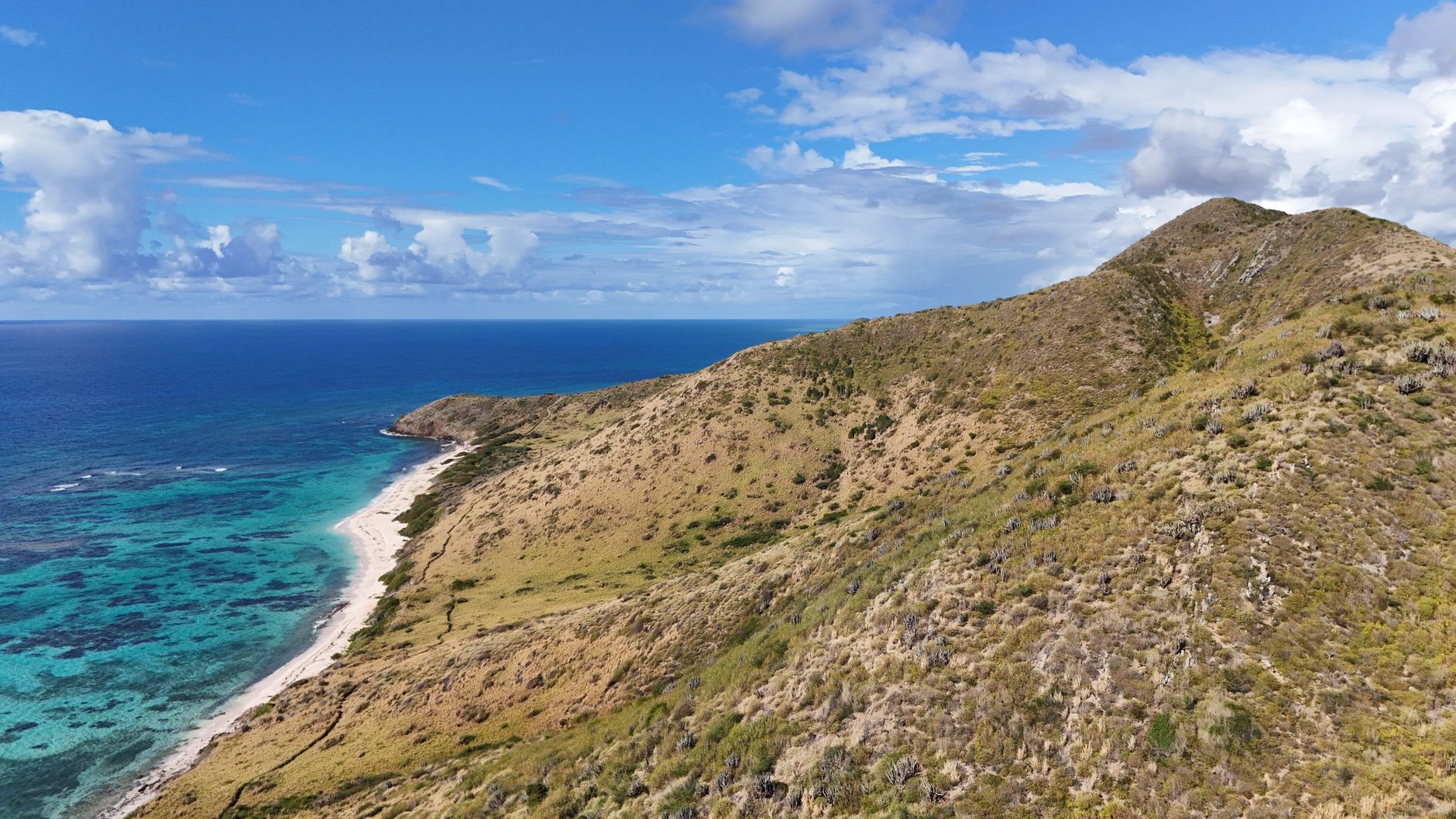
Transportation on Sint Eustatius is manageable for most visitors. The island is small, measuring just 21 square kilometers. Oranjestad contains the main shops and restaurants. Everything is within reasonable walking distance or a short taxi ride.
Car rentals work well for exploring. You'll find rental agencies at the airport. A valid driver's license from your home country works here. The island drives on the left side of the road. Road conditions are generally good. Coastal roads offer pleasant drives with ocean views.
Hiking is the best way to experience nature. Trail systems connect various viewpoints. Maps are available at guesthouses and the airport. The Quill trails are the most popular hiking routes. Wear sturdy shoes with good ankle support. Bring plenty of water even for short hikes.
Local knowledge enhances any visit. Hotel staff provide excellent recommendations. They know current restaurant hours and diving conditions. They share insight into local culture and history. Building relationships with staff creates better experiences. Small tips are appreciated for helpful advice.
Frequently Asked Questions
Do I Need a Visa To Visit Sint Eustatius?
Most nationalities do not need a visa for Sint Eustatius. The island follows Dutch Caribbean entry rules based on your passport. Citizens of EU countries, the United States, Canada, and Australia typically enter visa free. Check your specific nationality's requirements before booking. Your passport should be valid for at least six months beyond your travel dates. Immigration officials may ask about return tickets and accommodation plans.
What Currency Does Sint Eustatius Use?
Sint Eustatius uses the US dollar (USD) for all transactions. This makes it convenient for American visitors. ATMs are available in Oranjestad, though they may have limited hours. Bring cash as backup since some establishments don't accept cards. Credit cards work at larger hotels and dive shops. Inform your bank before traveling to avoid card blocks. Exchange rates are not an issue since USD is the official currency.
What Is the Best Time To Go Scuba Diving in Sint Eustatius?
December through May offers the best diving conditions. During these months, seas are calm and visibility is excellent. Water temperatures range from 27 to 29°C. Winter months attract visiting divers from colder climates. Fewer rainstorms mean clearer water and calmer conditions. Summer diving is possible but less reliable due to rougher seas and occasional rain. Multiple dive operators are active during peak season. Advanced bookings are recommended for group dives during busy months.
How Long Does It Take To Hike the Quill Volcano?
The Quill crater hike takes approximately three hours round trip. The climb is moderately challenging with steep volcanic terrain. The ascent takes about 90 minutes to reach the crater rim. Descending takes slightly less time. The forest crater floor adds extra time if you explore it. Wear proper hiking boots with ankle support. Bring at least two liters of water per person. Start early to avoid hiking in afternoon heat. The reward is spectacular views and unique ecosystem exploration.
What Language Is Spoken in Sint Eustatius?
Dutch is the official language, but English is widely spoken. Most people in tourism and service industries speak English fluently. Locals often switch to English when they detect visitors don't speak Dutch. Learning a few Dutch phrases is appreciated but not necessary. Basic English communication covers most tourist needs. Hotel staff, restaurant workers, and dive shops all speak English. Children learn English in school alongside Dutch. You won't face language barriers during your visit here.
Ready to explore Sint Eustatius? This compact Caribbean island offers diving, history, and authentic culture. Start planning your trip to this unique destination today.
Related Pages on Sint Eustatius
Islands Near Sint Eustatius